Our History
How a shared vision for transforming global education brought together leaders from around the world to create the World Assessment Council.
A Vision Born from Global Collaboration
The World Assessment Council began not in a boardroom, but in the passionate conversations of educators who believed that the future of learning deserved better.

In 2018, a group of distinguished educators and researchers from different corners of the world began having conversations about a challenge they all faced: how to ensure quality education that transcends borders, cultures, and economic barriers. These weren't planned meetings—they were organic connections made at international conferences, through academic collaborations, and via shared frustrations with the fragmented state of global education standards.
The First Focus Groups
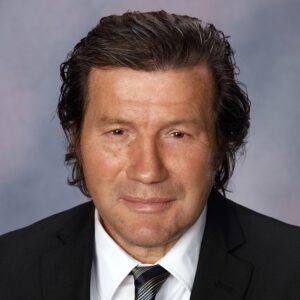
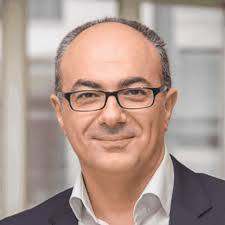
Professor Eduard Babulak, a renowned scholar with expertise spanning 14 languages and connections across 96 countries, along with Roohi Gupta, a strategic thinker with a background from Harvard University and IIM Calcutta, began convening informal focus group discussions. Roohi's passion for reimagining internationalization and digitalization in higher education proved instrumental in shaping the early vision. What started as monthly video calls between a handful of educators quickly grew into something much larger. Dr. Schahram Dustdar from TU Wien in Austria brought perspectives from European technical education. Brian Mulligan from Ireland's IT Sligo offered insights into online learning innovation. Dr. Hector Barbosa contributed the Latin American viewpoint from Mexico's Tecnológico Nacional.
Each conversation revealed the same truth: educators worldwide were grappling with similar challenges—how to assess learning meaningfully, how to prepare students for a rapidly changing world, and how to ensure that credentials earned in one country were valued in another.
"We realized that we were all trying to solve the same problems in isolation. What if we could combine our knowledge, our networks, and our passion to create something truly global?"
— Prof. Eduard Babulak, Honorary ChairFrom Conversations to Action
By 2019, the focus groups had grown to include voices from the UAE, Malaysia, and beyond. Dr. Hamad Odhabi from Abu Dhabi University and Dr. Senthil Nathan of Edu Alliance Ltd brought Middle Eastern perspectives on international education. Norpisah Mat Isa from Malaysia's UNIMY and Dr. Chin Kuan Ho from Multimedia University added Southeast Asian insights. Dan LeClair, CEO of the Global Business School Network, provided crucial understanding of how business education was evolving globally.
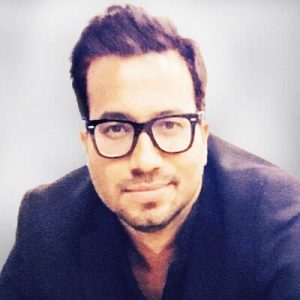
Saurabh Gupta emerged as a key organizer, helping to coordinate the increasingly complex network of participants across time zones and continents. What began as academic discussions transformed into a structured initiative with clear goals: to create an organization that would bring together institutions, educators, and learners to establish quality standards that matter.
The Founding of WAC
In early 2020, after two years of focus groups, research, and planning, the World Assessment Council was officially established as a non-profit organization headquartered in Boston. The founding members had a clear mission: to transform education through innovation, collaboration, and excellence.
The timing proved both challenging and fortuitous. As the global pandemic disrupted traditional education models, WAC's focus on digital learning, international collaboration, and innovative assessment became more relevant than ever. Universities that had been hesitant about online learning suddenly needed guidance. Educators sought new ways to assess students remotely. The need for globally recognized credentials became acute as traditional pathways were disrupted.
Growth and Impact
What started as conversations among a few dozen educators has grown into a network spanning 4,000+ universities, 200,000+ educators, 350,000+ learning enthusiasts, and 2 million+ students across 96 countries. The four pillars that emerged from those early focus groups—AI-Powered Learning, Internationalization, Skill-Centric Learning, and Assessment Excellence—now guide WAC's initiatives worldwide.
The weekly "Educators This Week" series, which began as an informal way to continue the collaborative spirit of those early focus groups, has become a flagship program connecting educators across the globe. The IntegrityCheck platform addresses one of the original concerns: ensuring academic integrity in an increasingly digital world.
"Looking back, I'm amazed at how far we've come. But more importantly, I'm inspired by how far we can go. The future of education is being written by educators around the world, working together."
— The WAC Advisory CouncilToday, the World Assessment Council continues to grow, guided by the same principles that brought its founders together: a belief in the transformative power of education, a commitment to global collaboration, and a vision of a world where every learner has access to quality education that is recognized and valued everywhere.
Our Journey
First Conversations
Initial focus group discussions begin among educators from USA, Austria, Ireland, and Mexico, exploring shared challenges in global education.
Global Expansion
Focus groups expand to include voices from UAE, Malaysia, and beyond. The four pillars of WAC begin to take shape through collaborative discussions.
WAC Founded
World Assessment Council officially established as a non-profit organization headquartered in Boston, with Prof. Eduard Babulak as Honorary Chair.
Pandemic Response
WAC provides crucial guidance to universities transitioning to online learning. Network grows rapidly as educators seek collaborative solutions.
1,000 Universities
WAC reaches the milestone of 1,000 partner universities. "Educators This Week" series launches, continuing the spirit of the original focus groups.
IntegrityCheck Launch
WAC launches IntegrityCheck, an AI-powered plagiarism detection platform for academic content, addressing a key concern from the founding discussions.
4 Centres Established
WAC formalizes its four focus areas into dedicated Centres: AI-Powered Learning, Internationalization, Skill Development, and Assessment Excellence.
Global Impact
WAC now serves 4,000+ universities, 200K+ educators, and 2M+ learners across 96 countries, continuing to shape the future of global education.
The Leaders Who Made It Happen
Prof. Eduard Babulak

Roohi Gupta
Dr. Schahram Dustdar
Saurabh Gupta
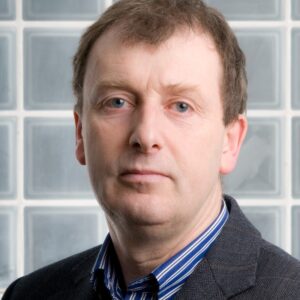
Brian Mulligan

Dr. Hector Barbosa
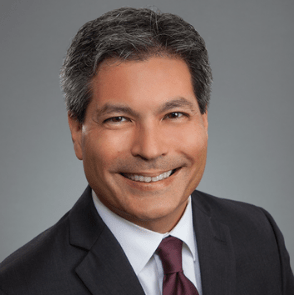
Dan LeClair
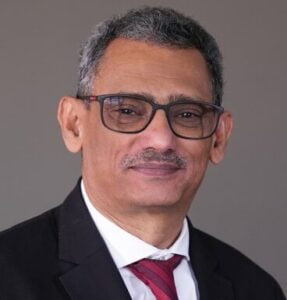
Dr. Hamad Odhabi
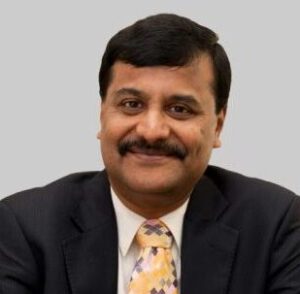
Dr. Senthil Nathan

Norpisah Mat Isa

Dr. Chin Kuan Ho
Be Part of Our Story
Join thousands of educators and institutions who are shaping the future of global education. The next chapter is being written now—and we'd love for you to be part of it.
Join Our Network